
Uncategorized
What Happens After You Donate to a Charity?
Oct
Have you ever wondered what happens to your money after you donate to a charity? Your contribution may help provide food for a family, school supplies for a child, clean water for a community, or essential support for vulnerable people. But how does that process work, and how can you know your generosity is making a difference?
In Islam, giving is an act of compassion and a way to seek Allah’s pleasure. Allah says in the Qur’an:
“And whatever you spend of good – it will be fully repaid to you, and you will not be wronged.” — Qur’an 2:272 (excerpt)
From supporting education to providing food, healthcare, and assistance to people in need, charities such as Rafeeqee Foundation work to turn generosity into meaningful support. Understanding what happens after you donate helps you appreciate the journey your contribution takes and why responsible giving matters.
What Happens After You Donate to a Charity?
When you donate to a charity, your contribution begins a journey that can extend far beyond the moment you make a payment. A responsible organisation identifies needs, plans its response, purchases or distributes resources, and works to ensure assistance reaches the intended beneficiaries. Depending on the programme, your donation might support a child’s education, provide food during Ramadan, help an elderly person access basic necessities, or contribute to a clean-water project. Rafeeqee Foundation, for example, supports initiatives involving education, food assistance, Zakat, clean water, and orphan and elderly care.
How Charities Turn Donations into Real Impact
The first step is understanding what people need and how available resources can help. A charity may assess vulnerable households, identify children who lack school materials, or determine whether a community needs access to safe drinking water. It then allocates donations according to the purpose of the campaign and the organisation’s funding policies. For instance, Rafeeqee Foundation’s Back-to-School Campaign provides essentials such as school bags, exercise books, and other learning materials to help children prepare for school.
Your Donation Can Support More Than Immediate Relief
Some donations meet urgent needs, while others help create lasting change. Food distribution can help a family through a difficult period, while educational support can give a child the resources needed to participate in class. Similarly, repairing a borehole can benefit an entire community rather than just one household. Rafeeqee Foundation’s water projects include repairing existing boreholes and developing new water sources, with attention to maintenance and sustainability.
What Does Islam Say About Giving to Charity?
Islam encourages generosity, compassion, and sincere giving. In Surah Al-Baqarah, Allah says:
“And whatever you spend of good – it will be fully repaid to you, and you will not be wronged.” — Qur’an 2:272
This verse reminds Muslims that charitable giving is not simply about the amount donated. Sincerity and the intention to please Allah are central to the act. Whether someone contributes a large sum or gives according to their limited means, their generosity can help meet real needs. Supporting trustworthy charitable work also provides an opportunity to turn compassion into practical action, whether through feeding the needy, assisting vulnerable children, or helping families access essential services.
Why Transparency Matters After You Donate
Donors deserve confidence that their contributions are being handled responsibly. Trustworthy charities should communicate their activities clearly, explain how campaigns operate, and provide appropriate updates about completed projects. Photographs, reports, receipts, and beneficiary stories can help donors understand the work being done, provided beneficiaries’ dignity and privacy are respected. Rafeeqee Foundation identifies transparency and accountability as important values in its charitable activities.
Before donating, check the organisation’s official website, understand the purpose of the appeal, and look for clear information about its programmes. After giving, review any updates it shares and ask reasonable questions if information is unclear.
Your Small Contribution Can Make a Meaningful Difference
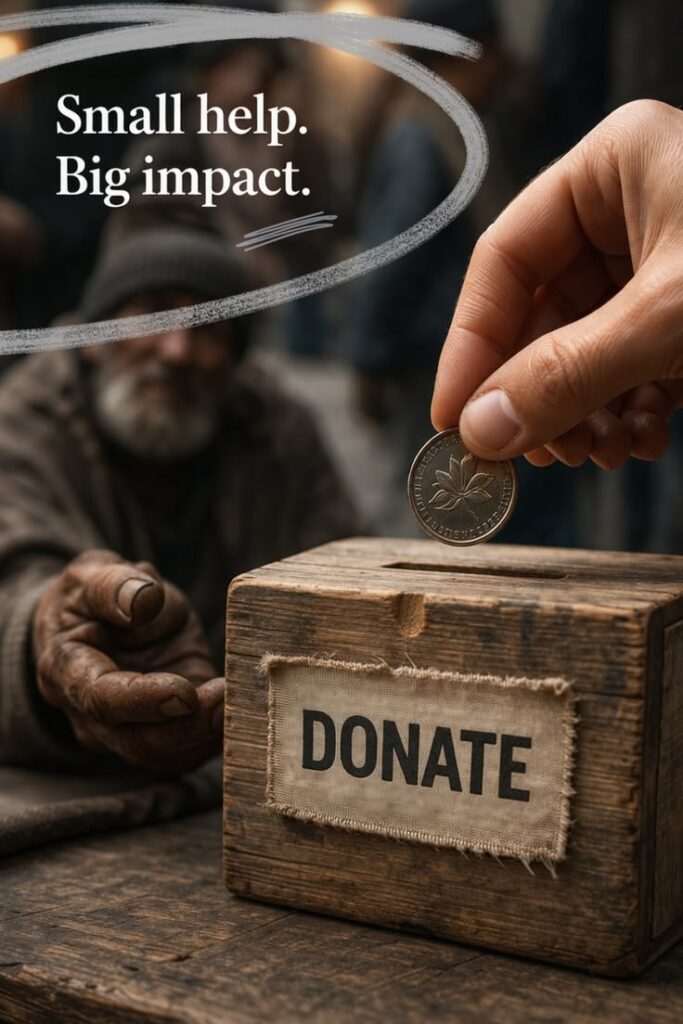
You do not have to be wealthy to help someone in need. A modest contribution, combined with donations from others, can help provide school supplies, food, healthcare assistance, or other essentials. What matters is that giving is approached thoughtfully and that the organisation uses its resources responsibly.
Allah says in Surah Al-Baqarah:
“Who spend their wealth by night and by day, secretly and publicly…” — Qur’an 2:274 (excerpt)
The verse highlights the value of giving in different circumstances. You can support a cause privately, contribute during a fundraising campaign, or commit to regular charitable giving according to your means. Through initiatives such as Rafeeqee Foundation’s food relief, education support, and care for vulnerable people, donors have opportunities to help transform generosity into meaningful assistance.
Conclusion
So, what happens after you donate to a charity? Ideally, your contribution becomes part of a carefully managed process that identifies needs, delivers assistance, and helps improve lives. From a school bag that helps a child prepare for learning to a water project that serves a community, every responsible act of giving has the potential to make a difference.
Choose your causes carefully, give sincerely, and support organisations that value transparency and accountability. In Islam, charity is an opportunity to serve others while seeking Allah’s pleasure. May Allah accept our good deeds and make our giving beneficial to those who need it most. Ameen.
Frequently Asked Questions
1. How do charities use donations?
Charities may use donations to fund food distribution, education, healthcare, clean-water projects, emergency relief, and other activities, depending on the campaign and their funding policies.
2. How can I know whether my donation is making a difference?
Look for project updates, financial information, receipts, and reports explaining what the organisation has accomplished. You can also contact the charity for clarification.
3. Can a small donation really help someone?
Yes. Small donations can contribute towards essential supplies and services, particularly when combined with contributions from other donors.
4. What types of charity can Muslims support?
Muslims can give eligible Zakat to its prescribed recipients and offer voluntary charity, or Sadaqah, to support worthwhile causes. Zakat should be distributed according to Islamic guidelines.
5. How can I donate to Rafeeqee Foundation?
Visit the official Rafeeqee Foundation website to learn about its programmes, explore current charitable initiatives, and find the appropriate donation options.