
Uncategorized
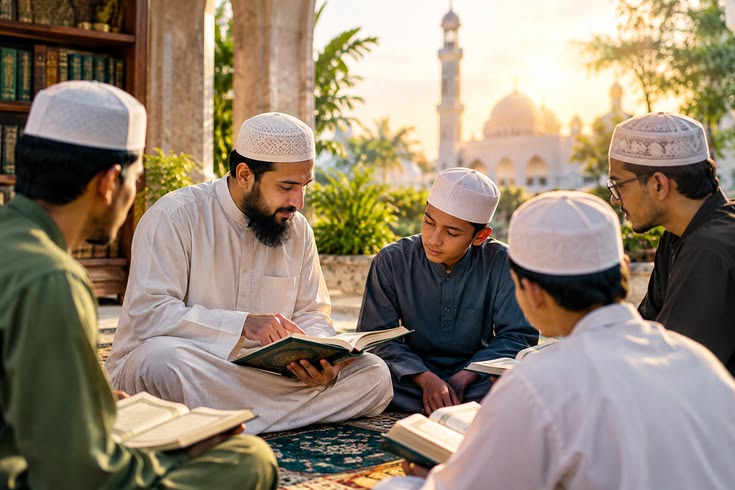
How Islamic Mentorship Strengthens Young Muslims’ Faith
Oct
Introduction
Faith needs to be nurtured, especially during the formative years of a young person’s life. As young Muslims grow, they encounter different beliefs, social influences and experiences that can shape their understanding of Islam. Without proper guidance, navigating these influences while maintaining a strong connection with Allah can sometimes be challenging.
This is where Islamic mentorship becomes important. Through religious guidance, positive role models and meaningful support, young Muslims can develop a better understanding of their faith and learn how to apply Islamic values in everyday life.
Islamic mentorship goes beyond teaching religious obligations. It encourages young people to develop good character, remain consistent in worship and make decisions guided by the Qur’an and Sunnah. It also reminds communities of their responsibility to nurture the next generation.
Understanding Islamic Mentorship
Islamic mentorship involves guiding and supporting individuals in their spiritual development through Islamic knowledge, practical advice and positive examples. A mentor helps young Muslims understand their religious responsibilities, ask questions and develop habits that strengthen their relationship with Allah.
The Prophet Muhammad (peace and blessings be upon him) demonstrated the importance of teaching with patience, wisdom and compassion. His example reminds us that young people need more than instructions; they need encouragement and people whose actions reflect the values they teach.
Through meaningful mentorship, young Muslims can gradually develop the confidence to practise their religion, make informed decisions and become positive influences within their communities.
Why Young Muslims Need Guidance
Growing up comes with new responsibilities, friendships and social expectations. Young Muslims encounter different perspectives through social media, schools, entertainment and interactions with others. While these experiences can provide opportunities for learning, they may also create confusion about religious identity and values.
Having access to knowledgeable mentors can help young people navigate these experiences without losing sight of their faith.
Navigating Identity and Religious Values
Some young Muslims struggle with balancing their religious beliefs and the expectations of their social environments. They may feel pressured to compromise certain values or find it difficult to explain their beliefs.
An Islamic mentor can provide guidance through meaningful discussions, helping them understand their identity and appreciate the importance of practising Islam with knowledge and confidence.
Managing Peer Pressure
Friendships can influence the decisions and habits young people develop. Positive companionship encourages good behaviour, while unhealthy influences can make it harder to remain committed to Islamic principles.
Allah says:
“O you who have believed, fear Allah and be with those who are true.”
Surah At-Tawbah, 9:119.
This verse highlights the importance of righteous companionship. Mentors can help young Muslims recognise the value of surrounding themselves with people who encourage goodness and strengthen their commitment to Allah.
Quranic Lessons on Mentorship
The Qur’an provides important examples of guidance, wisdom and spiritual development. These lessons show how religious knowledge and positive encouragement can influence the faith of younger generations.
Luqman’s Advice to His Son
In Surah Luqman, Allah describes how Luqman advised his son about faith, prayer, patience and good character.
Allah says:
“O my son, do not associate [anything] with Allah. Indeed, association [with Him] is great injustice.”
Surah Luqman, 31:13.
Luqman’s advice demonstrates that spiritual guidance should begin with a strong foundation in Tawheed. He also encouraged his son to establish prayer, remain patient, avoid arrogance and treat others with humility.
His example teaches parents, teachers and mentors the importance of combining religious knowledge with compassion when guiding young people.
The Youth of the Cave
Surah Al-Kahf tells the story of young believers who remained firm in their faith despite difficult circumstances.
Allah says:
“Indeed, they were youths who believed in their Lord, and We increased them in guidance.”
Surah Al-Kahf, 18:13.
Their story reminds us that young people are capable of demonstrating strong faith and religious commitment. With the right guidance and righteous companionship, they can remain steadfast even when their beliefs are challenged.
Seven Ways Islamic Mentorship Strengthens Young Muslims’ Faith
Islamic mentorship supports spiritual growth by helping young Muslims develop religious knowledge, good habits and a stronger sense of responsibility.
1. Building a Relationship with Allah
A strong relationship with Allah is the foundation of a Muslim’s faith. Mentors can encourage young people to understand the importance of Tawheed, make regular du’a, remember Allah and reflect on His blessings. This helps them see worship as more than an obligation and develop a sincere connection with their Creator.
2. Developing Islamic Knowledge
Young Muslims need access to authentic Islamic knowledge to understand their religious responsibilities. Through Qur’an learning, Islamic discussions and guidance from knowledgeable individuals, they can develop a better understanding of their beliefs and practices.
This knowledge also helps them distinguish reliable Islamic teachings from misleading information, particularly on social media.
3. Encouraging Consistent Worship
Maintaining regular salah, Qur’an recitation and other acts of worship can become challenging when young people have busy schedules. Mentors can encourage consistency by helping them develop realistic routines and understand the importance of fulfilling their religious obligations.
They can also remind young Muslims that spiritual growth requires patience and continuous effort.
4. Developing Good Character
Islam teaches honesty, kindness, humility, patience and respect. Through mentorship, young Muslims learn how these values should influence their relationships with family, friends and the wider community.
A good mentor also leads by example, demonstrating the character they encourage others to develop.
5. Providing Spiritual Support
Young people sometimes experience challenges that affect their confidence and spiritual wellbeing. Having someone they can approach for sincere advice can make a meaningful difference.
Mentors can listen, offer appropriate Islamic guidance and encourage young Muslims to remain hopeful, practise patience and seek help when necessary.
6. Encouraging Positive Relationships
Being part of a supportive Muslim community helps young people develop a sense of belonging. Islamic study circles, youth programmes and mosque activities create opportunities to learn, interact and build friendships with people who share similar values.
These relationships can encourage continued religious growth.
7. Inspiring Charity and Service
Islamic mentorship should also teach young Muslims the importance of helping others. Participating in charitable activities, supporting vulnerable individuals and volunteering can help them understand that faith should be reflected in their actions.
Allah says:
“So whoever does an atom’s weight of good will see it.”
Surah Az-Zalzalah, 99:7.
This verse reminds Muslims that every good deed matters. Young people can practise this teaching through kindness, generosity and service to their communities.
The Role of Families and Communities
Strengthening young Muslims’ faith is a shared responsibility. Parents, Islamic scholars, teachers and community organisations all have important roles to play.
Parents provide the first foundation through their example, religious instruction and encouragement. Islamic scholars and teachers offer authentic knowledge, while community mentors help young people apply Islamic teachings to everyday situations.
Charitable organisations also contribute by supporting Islamic education, providing learning resources and creating opportunities for vulnerable children to develop spiritually and academically.
When these efforts work together, young Muslims have a better opportunity to grow in knowledge, confidence and faith.
How Rafeeqee Supports Islamic Education and Youth Development
Strengthening young Muslims’ faith requires access to religious education, positive guidance and supportive learning environments. This is where organisations such as Rafeeqee Foundation contribute to the wider responsibility of nurturing Muslim communities.
Through its charitable and educational initiatives, Rafeeqee supports Islamic learning, children’s education, Da’wah and vulnerable individuals.
Some of its contributions include:
Supporting Islamic Education and Qur’an Learning
Rafeeqee supports Islamic learning through after-school activities that include Qur’an recitation with Tajweed, Tawheed and Arabic. It also provides Qur’ans, Qaidas and other Islamic learning materials to make religious education more accessible.
These opportunities help children develop a stronger foundation in their faith and become more familiar with Islamic teachings.
Providing After-School Learning Opportunities
Beyond religious instruction, Rafeeqee supports children’s academic development through subjects such as English, Mathematics and Science.
Combining Islamic and academic education helps children develop knowledge and confidence while building a foundation for their future.
Promoting Da’wah and Islamic Guidance
Rafeeqee contributes to Da’wah through Islamic lectures, rural outreach and the distribution of Qur’ans and Islamic educational materials. Its initiatives also include support for new Muslims and reverts.
These efforts help make Islamic knowledge more accessible to individuals seeking to understand and practise the religion.
Supporting Orphans and Vulnerable Children
Children facing financial difficulties and other challenges may have limited access to education and essential resources.
Through its support for vulnerable children, Rafeeqee contributes towards their educational needs, feeding, clothing and general welfare. Such assistance helps create better opportunities for children to learn, grow and participate in their communities.
Encouraging Charity and Community Responsibility
Rafeeqee’s initiatives also include Ramadan feeding, Zakatul Maal distribution, back-to-school support and water projects.
These activities demonstrate the importance of compassion, generosity and helping those in need. They also reflect the Islamic principle that faith should inspire positive contributions to society.
Through these initiatives, Rafeeqee contributes to an environment where Islamic values, education and community support can flourish.
Learn more about its initiatives: Rafeeqee Foundation – What We Do.
Conclusion
Strengthening the faith of young Muslims requires consistent guidance, good role models and access to Islamic education. As they navigate different experiences and challenges, they need supportive environments that encourage them to remain connected to Allah and practise their religion with understanding.
The Qur’an provides valuable examples of mentorship through Luqman’s advice to his son and the young believers in Surah Al-Kahf. These lessons remind us of the importance of nurturing faith, good character and righteous companionship.
Organisations such as Rafeeqee Foundation contribute to this responsibility through Islamic education, Qur’an learning, Da’wah and support for vulnerable children.
Ultimately, investing in young Muslims is an investment in the future of the Ummah. Through collective efforts, we can help nurture a generation that understands its faith, lives by Islamic values and contributes positively to society.
Frequently Asked Questions
1. What is Islamic mentorship?
Islamic mentorship is the process of guiding Muslims through religious knowledge, practical advice and positive examples to strengthen their faith and character.
2. Why is Islamic mentorship important for young Muslims?
It helps young Muslims navigate peer pressure, understand their religious identity, develop good character and maintain a stronger connection with Allah.
3. What does the Qur’an teach about guiding young people?
Surah Luqman (31:13–19) provides an example of spiritual guidance through advice about Tawheed, prayer, patience and humility. Surah Al-Kahf (18:13) also highlights the faith of young believers.
4. How can communities strengthen young Muslims’ faith?
Communities can organise Islamic learning programmes, encourage mentorship, provide positive role models and support charitable activities that promote spiritual and personal development.
5. How does Rafeeqee Foundation support Islamic education?
Rafeeqee supports Qur’an learning, Islamic education, after-school activities, Da’wah and vulnerable children through its charitable initiatives.