
Uncategorized
How Education Gives Vulnerable Children a Better Future
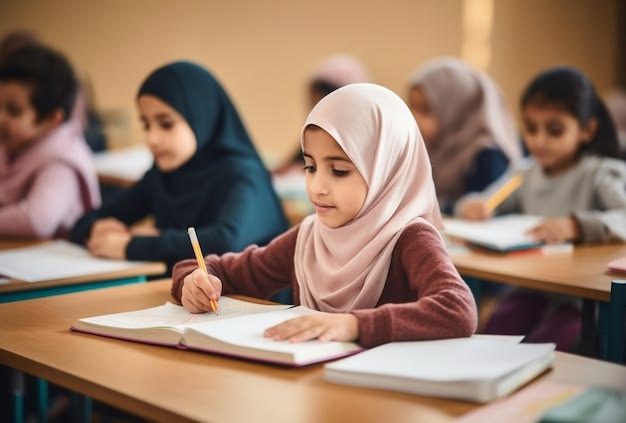
Oct
Every child deserves the opportunity to learn, grow, and build a future filled with possibilities. Yet, for children growing up in poverty or without adequate family support, going to school can be a daily struggle. The cost of uniforms, textbooks, school supplies, transportation, and other essentials can make education difficult to access, even when a child is eager to learn.
Educational support for vulnerable children is about more than helping them attend school. It is about giving them the tools, confidence, and opportunities to shape a better future. Through school supplies, financial assistance, tutoring, mentorship, and community support, we can help children overcome barriers that might otherwise limit their potential.
In Nigeria and other parts of the world, charitable initiatives are helping disadvantaged children access learning opportunities and develop skills for life. Organizations such as Rafeeqee Foundation support educational access through back-to-school initiatives and learning programmes for children who need additional assistance.
So, how does educational support change a child’s future, and why should we all care?
Why Educational Support Matters for Vulnerable Children
Poverty can affect almost every part of a child’s education. A child may have the ability and determination to succeed but lack the basic resources needed to participate fully in school. When families struggle to afford daily necessities, education expenses can become difficult to manage, forcing some children to miss classes or fall behind their classmates.
The challenge goes beyond school fees. Without exercise books, writing materials, appropriate clothing, or a quiet place to study, children may find it harder to concentrate and complete assignments. Some also carry the emotional burden of knowing their families cannot afford what other pupils have. Educational support helps remove these barriers, allowing children to focus more on learning and less on what they lack.
The need for meaningful support remains significant. UNICEF’s 2025 annual report on Nigeria describes efforts that provided more than 1.3 million children with individual education and early-learning materials, including nearly 700,000 girls. This demonstrates the importance of ensuring that children, particularly those facing disadvantage, have the resources needed to participate in education.
5 Ways Educational Support Gives Children a Better Future
1. It Makes Education More Accessible
A child should not have to abandon the classroom simply because their family cannot afford essential learning materials. Providing school bags, notebooks, pens, textbooks, uniforms, and sandals can ease some of the financial pressure on parents and guardians.
These items may appear ordinary, but they can make a meaningful difference to a child preparing for a new school term. When children have the supplies they need, they can participate more comfortably in lessons, complete their work, and feel better prepared to learn. For families managing limited resources, receiving educational assistance can also free up money for food, healthcare, and other household necessities.
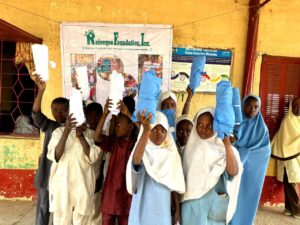
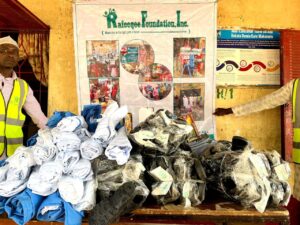
Back-to-school initiatives are one practical way to address these challenges. Through its back-to-school programme, Rafeeqee Foundation provides school supplies to encourage literacy and help children prepare for the academic year. Such initiatives demonstrate how targeted assistance can turn the opportunity to attend school into a more practical reality.
2. It Builds Confidence and Encourages Learning
Children need more than access to a classroom; they also need an environment where they feel capable of learning and contributing. Imagine a pupil who regularly attends lessons without the necessary books or writing materials. Even when the child understands the subject, the lack of resources may make classroom participation and assignments more difficult.
Educational support can help ease that pressure. Having the right supplies and receiving encouragement from teachers, caregivers, or mentors can help children feel included and prepared. When they begin to understand their lessons, complete assignments, and make progress, their confidence can grow alongside their academic abilities.
A child’s circumstances should never determine how far they believe they can go. Consistent encouragement reminds children that their abilities matter and that struggling with a subject does not mean they cannot succeed. With the right support, a child who once felt left behind may begin to participate more actively, ask questions, and develop a stronger interest in learning.
3. It Creates Opportunities for a Better Career
Education gives children the knowledge and skills they need to explore different career paths. From healthcare and technology to teaching, business, and skilled trades, learning can open doors that might otherwise remain out of reach. Although education does not guarantee financial success, it can help children develop the abilities needed to pursue employment, further training, or entrepreneurship.
For vulnerable children, this opportunity can be especially important. Access to quality education, practical skills, and career guidance can help them make informed decisions about their future. With time, they may be better equipped to support themselves and contribute to their families and communities.
4. It Helps Break the Cycle of Poverty
When children cannot access education, their opportunities to secure stable livelihoods may become limited. This can make it harder for them to escape the financial difficulties experienced by their families. Educational support helps address this challenge by giving children a better chance to develop useful skills and pursue opportunities as they grow older.
The impact can extend across generations. A child who receives the support needed to complete school may eventually help their family financially and ensure that their own children have access to learning. Supporting one child’s education can therefore contribute to lasting change within a family and community.
5. It Develops Responsible and Empowered Individuals
Education teaches more than reading, writing, and mathematics. It also helps children develop critical thinking, communication, problem-solving, and decision-making skills. These abilities can help them navigate challenges, understand their rights, and make responsible choices throughout life.
Children also benefit from mentorship and moral guidance that encourage kindness, responsibility, and respect for others. When academic learning is combined with positive guidance, children are better positioned to contribute meaningfully to society.
The Islamic Perspective on Supporting Children’s Education
Islam encourages beneficial knowledge, compassion, and caring for people in need. Allah says in the Qur’an:
“My Lord, increase me in knowledge.”
— Qur’an 20:114
This beautiful supplication highlights the importance of seeking knowledge. Helping a child access education is one practical way to support learning and give them opportunities to develop their abilities.
Allah also says:
“And whoever saves one—it is as if he had saved mankind entirely.”
— Qur’an 5:32
While this verse appears in the context of the sanctity of human life, it also reminds us of the immense value of protecting human wellbeing. Supporting vulnerable children through education, care, and encouragement reflects a commitment to their dignity and future.
How Can You Support Vulnerable Children’s Education?
You do not have to transform an entire school to make a difference. You can contribute school supplies, support educational charities, volunteer your time, or help connect children with learning opportunities. Even small contributions can become meaningful when directed towards genuine needs.
Through its educational and charitable programmes, Rafeeqee Foundation works to support disadvantaged communities, including children who need school supplies and additional learning assistance. Supporting initiatives like these offers individuals an opportunity to contribute to a future where more children can learn and thrive.
Conclusion
Educational support gives vulnerable children more than books and school supplies. It gives them opportunities to build confidence, develop valuable skills, pursue careers, and work towards a better future. When we help children overcome barriers to learning, we invest in their potential and the wellbeing of their communities.
Every child deserves a fair chance to learn. With collective effort, compassion, and consistent support, we can help make that opportunity possible.
Frequently Asked Questions
1. What is educational support for vulnerable children?
It includes school supplies, financial assistance, tutoring, mentorship, and other resources that help disadvantaged children access and continue their education.
2. Why is education important for children living in poverty?
Education can develop essential skills, expand career opportunities, and improve children’s chances of achieving greater financial independence.
3. How can I help a child who cannot afford school supplies?
You can donate notebooks, textbooks, school bags, uniforms, and other essentials or support charities that run back-to-school programmes.
4. How does Rafeeqee Foundation support children’s education?
Rafeeqee Foundation supports educational access through back-to-school donations and learning initiatives for disadvantaged children. Visit its What We Do page to learn more.
5. Is supporting children’s education a form of charity in Islam?
Yes. Supporting access to beneficial knowledge can be a meaningful charitable act, particularly when it helps children learn, develop, and improve their circumstances.