
Zakat
Zakatul Maal and Nisab: What Every Muslim Should Know
Sep
Zakatul Maal is one of the fundamental acts of worship in Islam. It is an obligation upon eligible Muslims who possess wealth that reaches the required nisab threshold and meets the other conditions of Zakat. Yet, for many Muslims, questions still arise: How much wealth makes Zakat obligatory? What exactly is nisab? Which assets should be included? And where should Zakat go?
Understanding these questions can make fulfilling this important obligation much easier. Zakat is not simply about giving away a percentage of your money. It is an act of worship, a means of purifying wealth and a practical way of supporting people who are poor, vulnerable or facing financial hardship.
Allah says in the Qur’an:
“And establish prayer and give zakah, and whatever good you put forward for yourselves—you will find it with Allah.”
— Qur’an 2:110
This verse places Zakat alongside prayer as an important act of obedience. So, what exactly should every Muslim know about Zakatul Maal and nisab?
What Is Zakatul Maal?
Zakatul Maal refers to the obligatory charity due on certain types of wealth when a Muslim meets the conditions established in Islamic law. Unlike voluntary sadaqah, which can be given at any time and in any amount, Zakat becomes an obligation when the relevant conditions are fulfilled.
The purpose is not simply to reduce someone’s wealth. Zakat is part of a wider Islamic approach to wealth, responsibility and community care. A Muslim who has been blessed with qualifying wealth has an obligation towards those who are entitled to receive Zakat.
The Qur’an describes Zakat as a means of purification:
“Take from their wealth a charity by which you purify them and cause them increase…”
— Qur’an 9:103
This gives Zakat a deeper meaning. It is an act of worship through which a Muslim fulfils an obligation while helping people in need.
What Is Nisab?
Nisab is the minimum amount of qualifying wealth a Muslim must possess for Zakat to become obligatory, subject to the other conditions of Zakat.
The traditional nisab thresholds are based on the value of gold or silver. The commonly cited measurements are approximately 87.48 grams of gold or 612.36 grams of silver. Because the market prices of gold and silver change, the monetary value of nisab can change as well.
This is why it is important not to rely permanently on a single naira amount when determining whether your wealth has reached nisab. The current value of the relevant benchmark should be checked when making your calculation.
Gold or Silver: Which Nisab Should You Use?
There are differences among Islamic schools of jurisprudence concerning the use of the gold and silver thresholds, particularly for monetary wealth.
For this reason, two Muslims with similar savings may sometimes reach different conclusions depending on the scholarly opinion they follow. If your situation involves significant savings, investments, business assets or complicated financial obligations, consulting a qualified Islamic scholar can help you calculate your Zakat correctly.
How Much Is Zakatul Maal?
For many forms of qualifying wealth, the commonly applied Zakat rate is 2.5%.
For example, if your Zakatable wealth after applying the relevant rules is ₦1,000,000, 2.5% would be ₦25,000.
However, Zakat calculation is not always as simple as looking at your bank balance and taking 2.5%. Your calculation may involve savings, cash, gold, investments, business stock and certain debts or liabilities, depending on the applicable rules.
That is why understanding what counts as Zakatable wealth is just as important as knowing the percentage.
Which Assets Can Be Subject to Zakat?
Depending on the type of wealth and the Islamic rulings being followed, Zakat may apply to assets such as cash, savings, gold, silver, certain investments and business goods held for sale.
For someone running a business, for example, the value of goods intended for sale can be relevant when calculating Zakat. However, equipment used to operate the business is treated differently from goods held as trading inventory.
Personal belongings such as your home, ordinary clothing and furniture used for personal purposes are generally not treated as Zakatable assets. A vehicle used for personal transportation is also generally excluded.
Because financial circumstances vary, Muslims should avoid assuming that every possession must be included—or that every financial asset can automatically be excluded.
What Is Hawl?
Another important concept connected to Zakat is hawl, which refers to the passage of one lunar year.
For many forms of wealth, a common rule is that the qualifying wealth must remain at or above nisab for a complete lunar year before Zakat becomes due. A lunar year is approximately 354 days, meaning it is shorter than the Gregorian calendar year.
The detailed rules surrounding hawl can differ according to the type of wealth and the scholarly opinion being followed. Keeping a consistent Zakat date each year can make the process easier to manage.
Who Can Receive Zakat?
Knowing how to calculate Zakat is only part of the responsibility. A Muslim should also understand who is entitled to receive it.
Allah clearly outlines the recognised categories of Zakat recipients in the Qur’an:
“Zakah expenditures are only for the poor and for the needy and for those employed to collect [zakah] and for bringing hearts together and for freeing captives and for those in debt and for the cause of Allah and for the traveller…”
— Qur’an 9:60
This verse is an important foundation for Zakat distribution. It shows that Zakat is intended for specific categories of people rather than simply being general charitable giving.
This distinction matters because Zakat and sadaqah are not exactly the same thing. While sadaqah can be given broadly as voluntary charity, Zakat has specific rules regarding who can receive it.
Zakat Can Provide More Than Immediate Relief
When people hear the word Zakat, they may immediately think of food, money or other forms of emergency assistance. These are certainly important forms of support, but Zakat can also play a role in helping eligible beneficiaries address longer-term financial challenges where the form of assistance is Islamically permissible.
A person may need help with healthcare expenses. Another may need support with basic business goods. An artisan may need equipment to practise their trade. The goal is not simply to give and walk away; appropriate assistance can sometimes help a person regain stability and dignity.
Rafeeqee Foundation and Zakatul Maal
Rafeeqee Foundation also carries out Zakatul Maal initiatives aimed at supporting vulnerable and needy Muslims. Through its Zakat programme, the foundation has supported areas including healthcare, food relief, education, business assistance and empowerment.
According to information from the foundation, its Zakat funds have helped with hospital bills, goods for shops and business support, as well as tools and equipment for artisans. Since the project began in 2018, the foundation reports that 50 beneficiaries have been empowered through the initiative.
A Recent Zakatul Maal Empowerment Programme
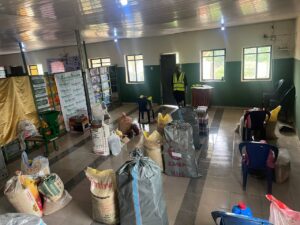
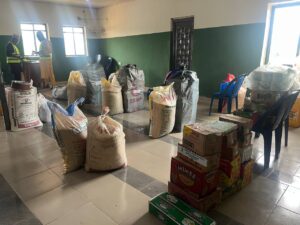
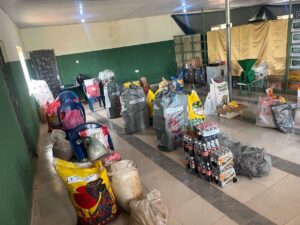
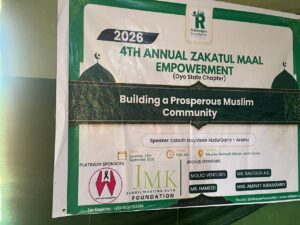
Recently, Rafeeqee Foundation conducted its first Zakatul Maal empowerment programme of the year at Masjidul Rasheed, Apete, Ibadan.
Through the programme, 20 beneficiaries were empowered across different trades with items intended to help them start or strengthen their businesses. The support included tailoring machines, grinding machines, printers, ovens and various goods.
These were not simply items handed out for the sake of distribution. For someone who already has a skill or small business, the right equipment can become a practical means of earning an income and serving customers.
The programme was supported through Zakat donations and contributions, with special appreciation extended to Ennycare Foundation, Jubril Martins Kuye Foundation and individual sponsors.
This is one example of how Zakat can reach beyond immediate relief and become a source of economic empowerment for eligible beneficiaries.
Why Responsible Zakat Distribution Matters
Giving Zakat is an act of worship, so how it is distributed matters. Donors naturally want to know that their Zakat is reaching people who genuinely qualify and that it is being managed responsibly.
Organisations working directly with communities can help identify vulnerable people and develop programmes that address specific needs. Rafeeqee Foundation’s Zakat work provides one example of this approach, with its initiatives extending from healthcare support to business assistance and empowerment.
For a donor, the responsibility does not end with calculating the amount. Choosing an appropriate and trustworthy channel for distribution is also an important part of making sure the intended support reaches those who need it.
Zakat, Wealth and Community Responsibility
Islam does not treat wealth as something completely separate from community responsibility. The Qur’an repeatedly reminds Muslims about caring for vulnerable people and using what Allah has provided in beneficial ways.
Zakat creates a connection between those who have qualifying wealth and those experiencing financial difficulty. One person’s fulfilment of an obligation can help another person access food, healthcare, education, business support or other necessities.
That is one reason understanding Zakatul Maal and nisab is so important. When Muslims understand their obligation correctly, they are better positioned to fulfil it accurately and contribute to the wellbeing of their communities.
Conclusion
Zakatul Maal is more than a yearly financial calculation. It is an act of worship, a means of purifying wealth and a system through which eligible beneficiaries can receive meaningful support.
Understanding nisab, hawl, Zakatable assets and the 2.5% rate commonly applied to qualifying wealth can help Muslims approach their obligation with greater confidence. At the same time, because individual financial circumstances and scholarly opinions can differ, seeking guidance from a qualified Islamic scholar is appropriate when a calculation is complicated.
Through its Zakatul Maal programme and recent empowerment initiative in Apete, Ibadan, Rafeeqee Foundation demonstrates one practical way Zakat can support vulnerable Muslims, including through business tools and equipment. When Zakat is calculated correctly and distributed to those who are entitled to receive it, its impact can extend far beyond a single payment.
Frequently Asked Questions
1. What is Zakatul Maal?
Zakatul Maal is the obligatory Zakat paid on qualifying wealth when a Muslim meets the conditions required under Islamic law.
2. What is nisab in Zakat?
Nisab is the minimum threshold of qualifying wealth that makes Zakat obligatory when the other relevant conditions are fulfilled.
3. How much Zakatul Maal should I pay?
The commonly applied rate for qualifying monetary wealth is 2.5%, although the exact calculation depends on the assets involved and the applicable Islamic rulings.
4. Can Zakat be used for empowerment?
Zakat may be used to support eligible beneficiaries in appropriate ways, including forms of assistance that address their needs and, where Islamically permissible, help them become more financially stable.
5. Does Rafeeqee Foundation have a Zakatul Maal programme?
Yes. Rafeeqee Foundation carries out Zakatul Maal initiatives, including healthcare and business support. Its recent programme at Masjidul Rasheed in Apete, Ibadan, empowered 20 beneficiaries with items such as tailoring machines, grinding machines, printers, ovens and other goods.