
Zakat
Islamic Etiquette of Giving Charity: Protecting Dignity
Oct
Introduction
Charity should ease someone’s burden, not make them feel small. In Islam, giving charity is not just about what we give, but how we give it. A sincere act of generosity should preserve the recipient’s dignity, protect their privacy and remind them that they deserve kindness and respect.
The Qur’an teaches Muslims to give without boasting, humiliating recipients or reminding them of past favours. Allah says:
“Kind words and forgiveness are better than charity followed by injury.” — Qur’an 2:263.
This beautiful reminder shows that charity must go beyond material assistance. Whether we are supporting a family in need, providing school supplies for children or helping vulnerable individuals access essential resources, our approach matters.
1. Give Sincerely, Seeking Allah’s Pleasure
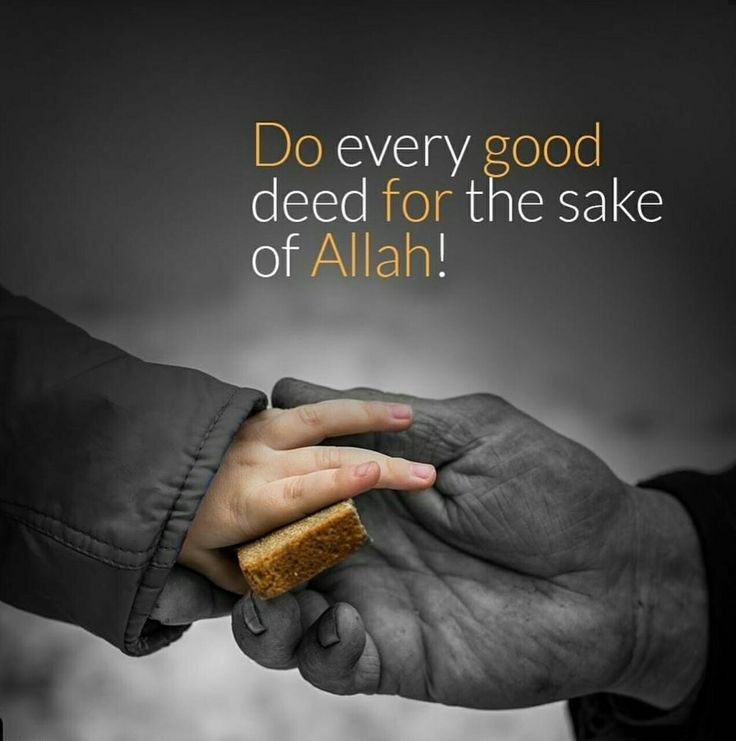
The foundation of Islamic charity is sincerity. Muslims are encouraged to give for the sake of Allah rather than to gain popularity, praise or recognition. When the intention is sincere, the focus shifts from being seen as generous to genuinely helping someone in need.
This is why charitable organisations, including Rafeeqee Foundation, work to support vulnerable communities through initiatives such as educational assistance, medical outreach and support for people facing difficult circumstances. These efforts are meaningful when the focus remains on serving people with compassion and respect.
2. Never Humiliate Someone Because They Need Help
Needing assistance does not make anyone less worthy of respect. Financial difficulties can affect families from different backgrounds, and people experiencing hardship may already be carrying emotional burdens that others cannot see.
Allah warns against damaging the value of charity through reminders of generosity or hurtful behaviour.
“Do not waste your charity with reminders of your generosity or hurtful words…” — Qur’an 2:264.
A donor should never use someone’s circumstances to embarrass them, speak down to them or make them feel inferior. True generosity helps people without taking away their self-respect.
3. Protect the Privacy of Charity Recipients
Not everyone receiving assistance wants their situation shared publicly. Posting photographs, videos or personal stories without appropriate consent can expose people to embarrassment, unwanted attention or stigma.
Charitable organisations should consider privacy when documenting distributions and outreach activities. Before sharing images or personal details, they should seek informed consent, especially when children are involved, and avoid revealing sensitive information.
For organisations like Rafeeqee Foundation, documenting educational support, medical outreach and community assistance can help inform the public about their work. However, storytelling should always balance awareness with the dignity and privacy of the people being supported.
4. Give With Kindness, Not Pride
A charitable gift should never come with an attitude of superiority. A person offering assistance should remember that wealth is a blessing and an opportunity to do good, not a reason to consider themselves better than others.
Sometimes, even a small gesture can make a difference: speaking gently, listening without judgment, distributing essential items respectfully or offering assistance discreetly. These actions communicate that the recipient matters beyond their immediate needs.
Islam encourages kindness alongside giving because the manner of helping can be just as meaningful as the assistance itself.
5. Remember That Charity Goes Beyond Money
Charity is not limited to cash donations. Supporting a child’s education, helping a vulnerable person access medical care, providing food or offering sincere encouragement can also be meaningful expressions of compassion.
Rafeeqee Foundation’s work, including back-to-school support and medical outreach, reflects practical ways charitable giving can address real community needs. School bags, learning materials and essential supplies can help children prepare for the classroom, while medical outreach can provide assistance to families navigating difficult circumstances.
Every contribution matters when it responds to a genuine need and is delivered respectfully. The goal is not simply to give people something, but to help them experience care, support and hope.
Conclusion
The Islamic etiquette of giving charity teaches us that generosity must be accompanied by sincerity, kindness and respect. We should protect recipients’ privacy, avoid humiliating language, give without seeking praise and remember that everyone deserves dignity.
As Allah reminds us in Qur’an 2:262, those who give without following their charity with reminders or injury have their reward with their Lord.
As we support charitable efforts, including those of Rafeeqee Foundation, let us strive to make every act of giving a source of relief rather than embarrassment.
Give generously. Speak kindly. Protect dignity.
Frequently Asked Questions
1. What does Islam say about protecting the dignity of charity recipients?
Islam teaches Muslims to give without humiliating people, reminding them of past favours or causing them emotional harm. Qur’an 2:262–263 emphasises giving without injury and speaking kindly.
2. Is it wrong to share pictures of people receiving charity?
Not necessarily, but consent, privacy and dignity must come first. Avoid exposing personal hardships or sharing images that could embarrass recipients, particularly children.
3. Is giving charity secretly better in Islam?
Qur’an 2:271 teaches that giving charity openly can be good, while concealing it and giving to the poor is better in certain circumstances. Sincerity and the recipient’s welfare should guide the decision.
4. Can charity include educational and medical assistance?
Yes. Helping people access education, medical care, food and other essential resources are practical ways of supporting those in need. Eligible forms of assistance depend on the type of charity and, where relevant, the rules governing Zakat.
5. How can I support Rafeeqee Foundation’s charitable work?
You can learn about its programmes and available opportunities to contribute through the official website: Rafeeqee Foundation