
Uncategorized
10 Simple Acts of Sadaqah You Can Do Every Day
Sep
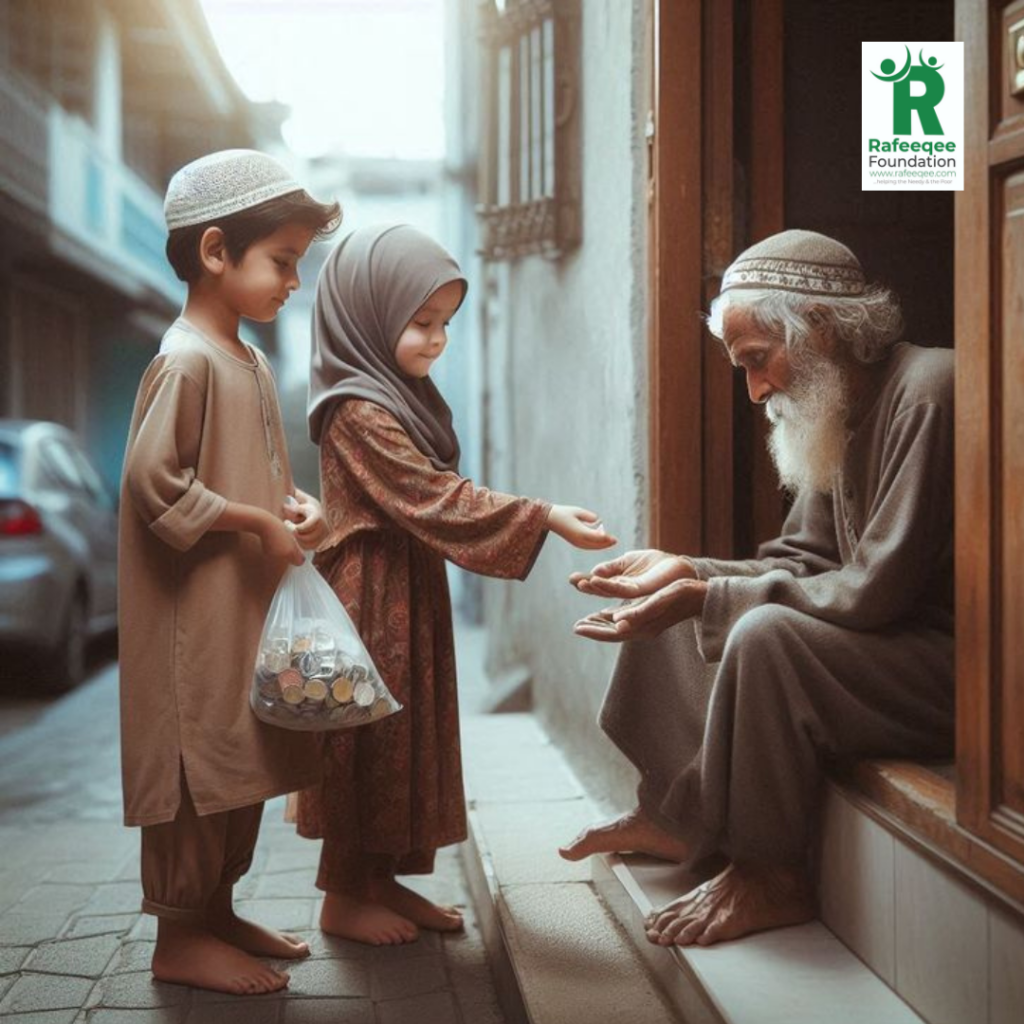
When people hear the word sadaqah, they often think about giving money to someone in need. While financial giving is certainly a form of charity, Islam teaches that sadaqah is much broader than that. The Prophet Muhammad ﷺ described several everyday actions as charity, including a good word, helping another person, walking towards prayer, and removing something harmful from a path. This means you do not have to wait until you have extra money before you can give. Sometimes, the simplest things—a smile, a helping hand, useful knowledge, or a sincere act of kindness—can become opportunities to seek reward from Allah.
What Is Sadaqah in Islam?
Sadaqah refers to voluntary acts of charity and goodness done for the sake of Allah. Unlike obligatory Zakat, sadaqah is not limited to a specific amount of wealth. It can involve your money, time, effort, words, knowledge, or even a thoughtful action that benefits another person. The Prophet ﷺ specifically taught that a good word is charity and that removing something harmful from the road is also charity.
Sadaqah Is More Than Giving Money
This broader understanding makes sadaqah something you can practise throughout your day. You could help someone carry something, make life easier for a colleague, share useful information, or simply speak gently to someone who is having a difficult day. The important thing is that the act is done sincerely for Allah’s sake rather than for praise or recognition.
Why Daily Sadaqah Matters
Making sadaqah part of your routine can change how you look at ordinary moments. Instead of seeing a small opportunity to help as insignificant, you begin to recognise it as a chance to do good. The Qur’an also reminds believers that charity should not be followed by reminders or hurtful behaviour, highlighting the importance of sincerity and good character alongside giving.
Small Deeds Can Carry Great Reward
You do not need a large donation or a dramatic charitable project to practise generosity. Consistency can make small acts meaningful, especially when they become part of your everyday character.
1. Give a Genuine Smile
A sincere smile may seem like a very small thing, but it can brighten someone’s day. When you greet a neighbour, colleague, friend, family member, or even a stranger with warmth, you are creating a moment of kindness. The Prophet ﷺ included a good word among acts of charity, showing that positive interactions have value in Islam.
2. Speak a Kind Word
Sometimes people need encouragement more than they need anything material. Compliment someone sincerely, reassure a worried friend, thank someone for their effort, or speak gently when correcting a mistake. A kind sentence can stay with someone long after the conversation ends. The Qur’an specifically describes kind speech and forgiveness as better than charity that is accompanied by harm.
Encouragement Can Be Sadaqah
A simple “You are doing well,” “May Allah make it easy for you,” or “I am proud of your effort” can be meaningful when sincerely said.
3. Help Someone With a Simple Task
Look around you and notice where someone could use a little help. Carry something for an elderly person, assist a colleague with a task, help a family member at home, or offer support when someone is struggling. These actions cost little but can remove a burden from another person’s day.
4. Remove Something Harmful From a Path
If you notice broken glass, a sharp object, rubbish, or another obstacle where people walk, safely move it out of the way. The Prophet ﷺ described removing harmful things from a path as charity. It is a beautiful reminder that protecting other people from harm can itself be an act of worship.
5. Share Your Food or Drink
Have extra food? Share it. Whether you offer a meal to a neighbour, give someone water, or simply include another person when you are eating, sharing what you have is a practical expression of generosity. It does not have to be expensive or elaborate. Giving from what you already have can turn an ordinary meal into an opportunity for sadaqah.
6. Help Someone Get Where They Need to Go
Transportation can be difficult for many people, so helping someone reach their destination can be a meaningful act of kindness. You might offer someone a ride, help them carry their belongings, or assist them with directions. The Prophet ﷺ included helping another person with their transport among acts of charity.
7. Make Dua for Someone
Sadaqah does not always require something physical. When you sincerely remember someone in your dua, especially when they are going through a difficult situation, you are offering them something deeply meaningful. You can make dua for someone’s health, ease, success, guidance, family, or wellbeing. It costs nothing, takes only moments, and can be done privately.
8. Share Useful Knowledge
If you know something that could genuinely benefit another person, share it. Teach someone a useful skill, recommend a beneficial resource, explain something they do not understand, or share Islamic knowledge responsibly. Knowledge becomes especially valuable when it helps another person improve their life or strengthen their relationship with Allah.
9. Be Kind to Animals
Kindness should not be limited to people. Give an animal water, avoid causing unnecessary harm, or help an animal in distress when you can do so safely. Compassion toward creation reflects the broader Islamic emphasis on mercy and responsible behaviour. Even an action that seems ordinary can become meaningful when it is done with a sincere intention.
10. Give Financial Sadaqah When You Can
Of course, financial sadaqah remains an important form of voluntary charity. You can donate to someone in need, support a worthwhile cause, provide food, contribute to a community project, or give whatever amount you can comfortably afford. The Qur’an compares spending in Allah’s cause to a seed that produces many grains, illustrating the potential multiplication of reward.
How to Make Sadaqah a Daily Habit
The easiest way to make sadaqah part of your routine is to stop thinking of it as something that requires a special occasion. Choose one or two simple actions you can repeat naturally each day. Smile more intentionally, speak kindly, help someone, share something useful, or set aside a small amount for charity. Over time, these little choices can become part of your character rather than something you have to remember to do.
Conclusion
Sadaqah is not limited to what you can afford financially. Your words, time, effort, knowledge, kindness, and consideration can all become opportunities for good. The Prophet ﷺ gave examples of everyday actions that count as charity, making it clear that the doors of sadaqah are open even when you have little to give materially. So, the next time you wonder what you can give, look around you. There may already be a small opportunity waiting for you.
FAQs
1. Can a smile really count as sadaqah?
Yes. The Prophet ﷺ taught that acts such as a good word and other beneficial actions can count as charity.
2. Do I need money to give sadaqah?
No. Sadaqah can include kindness, helping others, useful knowledge, and removing harm from people’s paths.
3. What is the difference between sadaqah and Zakat?
Zakat is an obligatory form of charity with specific rules and conditions, while sadaqah is generally voluntary and can take many forms.
4. Can I give sadaqah anonymously?
Yes. Giving privately can help you focus on sincerity and seeking Allah’s reward rather than recognition from people.
5. How can I practise sadaqah every day?
Start small. Make a habit of doing at least one intentional act of kindness each day, whether through your words, actions, time, knowledge, or money.